

 How the world is built · 2 min
The 2.5 million rivets of the Eiffel Tower
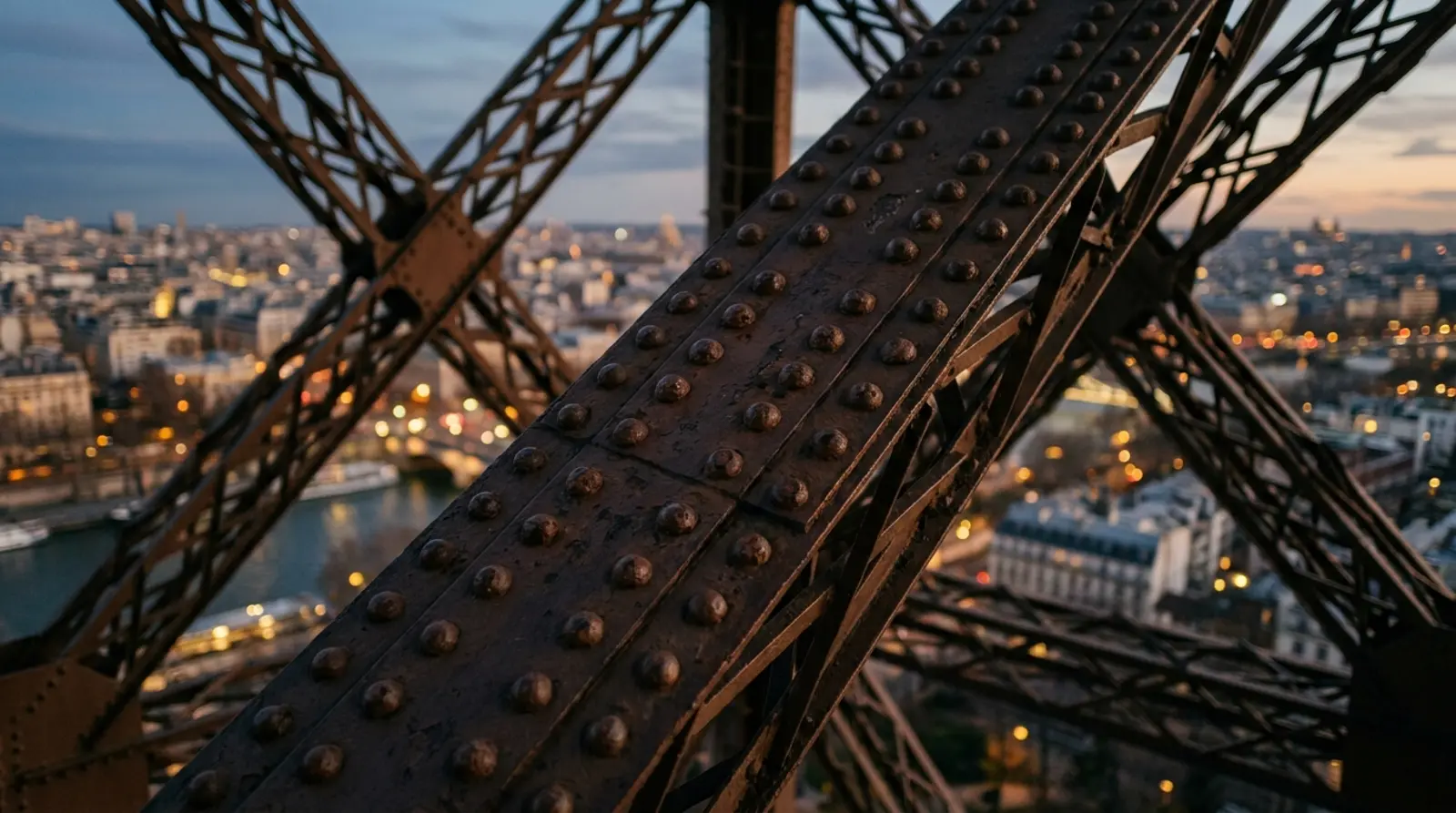
Nothing on the Eiffel Tower was welded. About 2.5 million hot rivets hold it together, and the way they tightened themselves is the clever part.
Read →
Century Fasteners · Reading
How great structures are held together, and the small parts that carry the weight. Each piece pairs with a reel on Instagram and goes further than a reel can.
How the world is built · 2 minNothing on the Eiffel Tower was welded. About 2.5 million hot rivets hold it together, and the way they tightened themselves is the clever part.
Read →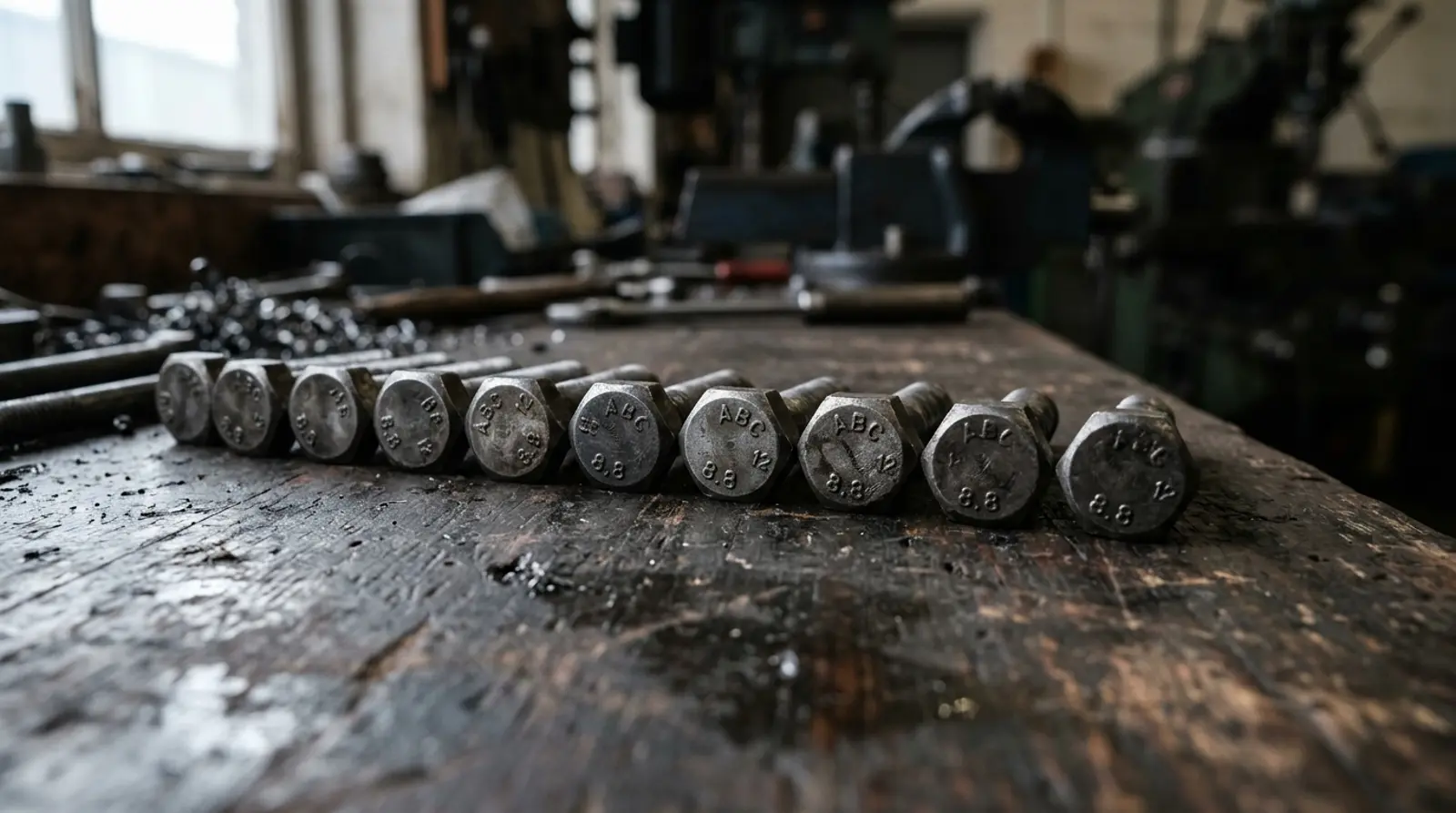 Bolt basics · 1 min
That 8.8 or 10.9 stamped on a bolt is not a size. It is a strength grade. Here is how to read it in two steps, and match your nut to it.
Read →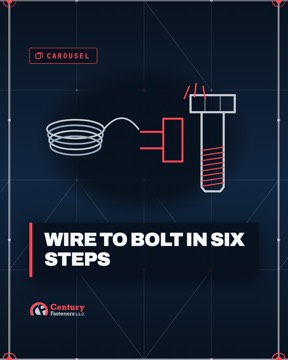
Straighten and cut. Squeeze the head. Roll the thread. Heat treat, coat and stamp.
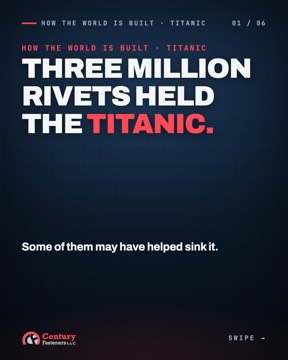
What divers found: slag, glassy streaks inside the iron that make it brittle, in the hand-driven iron rivets at the bow and stern. When the hull opened, the...
Divers' recovered rivets showed slag, glassy streaks that make iron brittle, in the hand-driven iron rivets at the bow and stern. When the hull opened, the s...
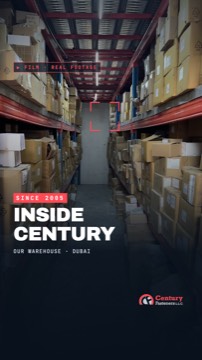
Every tower since stands on parts no one ever sees. For over 20 years, we've been bringing them in.
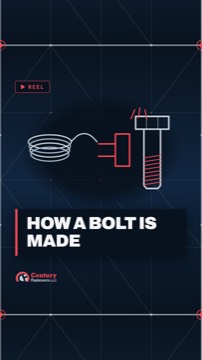
The head isn't cut. It's squeezed, cold, in a die. The thread isn't cut either. It's rolled in, so the grain of the steel folds around it. Nothing removed. N...
Before 1800 every workshop cut its own thread. Maudslay's lathe made threads repeatable. In 1841 Whitworth proposed one standard. Today most of the world use...
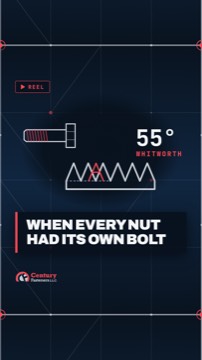
That was the world 200 years ago. Every workshop cut its own thread, angle and spacing. Then Henry Maudslay and Joseph Whitworth pushed for one standard, a f...
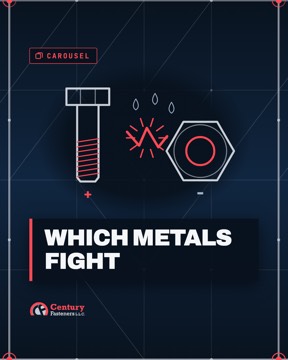
Two different metals, water, and a little salt: you've built a small battery. In that battery one metal gets eaten.
Two different metals touching, sea air, salt water creeping in through every seam: that's a battery, and in a battery one side gets eaten. Here it was the iron.
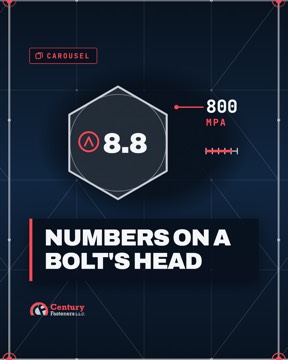
First number × 100 = tensile strength in MPa. Second number × 10 = yield as a percentage of tensile. So 8.8 is 800 MPa tensile and 640 MPa yield.
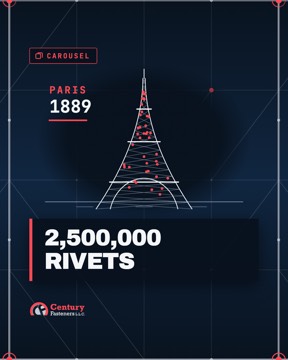
Nothing up there was welded. 18,038 iron parts, 5,300 drawings, and about 2.5 million rivets, driven hot by teams of four.
A bolt. A screw. A nut. A rivet. They do their job quietly, every day, in every building, bridge, car and chair around you.
This page is about something most people never look at: the tiny world that holds the big world together. The history, the engineering, the mistakes, and the...
Instagram · @centuryf.ae
The reels these pieces grew from, straight from our Instagram.
LinkedIn · Century Fasteners
Company news, projects and the engineering behind the parts.